
Finding Acton Residents Carefully
Acton does not keep one open roster of everyone in town. Its useful records are purpose-specific. Acton Town Clerk records include annual census and street-list work, elections, marriage intentions, business certificates, vital records, and public-record routing. The Acton Assessor links an assessed owner to a parcel. The Middlesex Registry records Acton land instruments. Each source can establish a dated relationship, but none alone proves present daily residence. Begin with the fact already known, such as a full name, a street address, a parcel identifier, or a year.
The order matters. A name can be common, an address can have a rear or unit designation, and a mailing address can differ from the property location. Keep a note of the exact search terms, date, system, and field label. That small record makes it far easier to spot a same-name error later. It also keeps a historic Acton finding from being mistaken for current information.
- Search the Acton Assessor or MapGeo with the exact address or parcel ID when the question is property-linked.
- Use the state voter tool only to check a known individual with the required identity inputs and terms agreement.
- Use the Middlesex South Registry for the deed, plan, or named party behind a parcel lead.
- Match an older name or address to Acton Memorial Library and State Library directory years, then preserve the volume year and page.
- When an existing municipal record is not online, send a narrow request to the responsible Acton office through its documented channel.
Acton Records Office Routes
Three offices handle the first questions behind many Acton resident searches. Acton Town Clerk staff manage civic records and public-record routing. The Acton Assessor and Acton MapGeo handle property fields. Southern Middlesex holds recorded land. A court clerk serving Acton, an Acton library, a cemetery office, or a state agency becomes relevant only when the record type fits. For a street-wide property chain, the Acton street directory keeps the address workflow together.
Middlesex South Registry
208 Cambridge Street
Cambridge, MA 02141
617-679-6300
Use the address, phone, mail, email, counter, or portal channel stated by the custodian. The Middlesex Registry offers Acton documents online, while an Acton local list, a historic original, or a restricted court file may require an office or archive route instead.
Acton MapGeo Parcel Clues
Acton’s Assessor page directs property research to Acton MapGeo. The viewer can search an Acton address or parcel, display map themes, and open a property card. It can show an assessed owner, mailing address, value, acreage, land-use field, and deed book or page when available. That makes it a strong first step for an Acton parcel question. It does not establish who is physically present at the property.
The Acton map is deliberately limited. Acton MapGeo describes its parcel geometry as approximate, not a survey, and without legal bearing. Acton Assessor data is uploaded quarterly. Record the Acton card’s date, parcel ID, displayed fields, and disclaimer before using it as a lead for a Registry search on an Acton parcel.
The Acton MapGeo viewer shows the parcel-search surface used for this kind of record check.
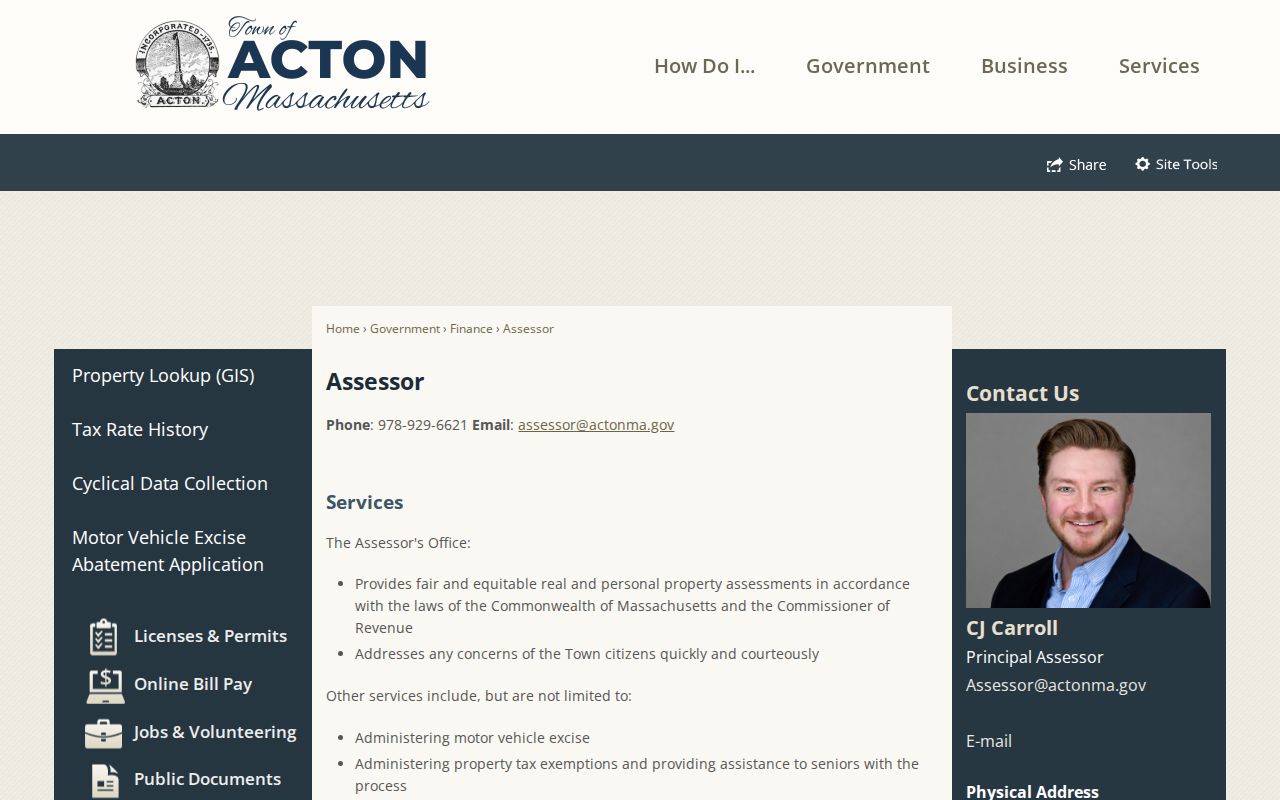
An Acton property card supplies an assessed-owner lead and Acton record keys, not a complete household list.
Acton Property Search Fields
Search the Acton property tools with the source’s own wording. An Acton address suffix, unit, rear designation, or parcel ID can distinguish separate records. The available fields below were recorded from public Acton MapGeo research, so a blank value should remain blank rather than being guessed.
| Acton control | Use | Research note |
|---|---|---|
| Address or street search | Locate a parcel | Keep the exact street, unit, rear, or lot wording. |
| Parcel or property ID | Open the selected property | Helpful when an address has a spelling variation. |
| Owner name | Find an assessed owner | It is not evidence of current occupancy. |
| Map theme | Compare parcel context | Parcels, roads, public land, sewer, and other themes may appear. |
| Property-card link | Inspect details | May expose value, acreage, land use, deed key, and related fields. |
- Parcel
- A mapped unit used for assessment and land records.
- Index
- A finding aid that points to a record, not necessarily the official record itself.
- Assessed owner
- The owner name carried in the assessment system for that record cycle.
- Criss-cross directory
- A historical directory arranged by address rather than by surname.
Acton Deed Index Trail
For the Acton legal property trail, use the Southern Middlesex District Registry of Deeds and its MassLandRecords search. Recorded Land, Registered Land, plans, and registered-land plans have separate search families. The public controls include name, document, book, property, recorded-date, and unindexed searches. An Acton card’s book and page can be a more precise starting point than a broad name search.
Acton results should be read as land instruments. Capture the grantor, grantee, instrument type, recording date, book/page or document number, plan reference, and Acton town filter. The Registry makes online copies available to view, print, or download for free. Certified copies and older Acton work follow the Registry’s current instructions. A recorded party may be an owner, lender, trustee, or entity rather than a current Acton resident.
The Registry announced that grantor indices for 1896 through 1973 became available online in October 2025. That is useful for an older Acton deed trail, but it does not turn every early record into an online result. The interface also identifies an Unindexed Property Search for Book 1–1024. When a search ends there, use the Registry’s help, counter, or records-request guidance rather than filling the gap with an assumption.
Current Acton Resident Sources
Current-looking Acton sources answer different questions. Acton property data identifies an assessed relationship to a parcel. The Acton voter tool checks one known person’s registration status. The Acton deed index identifies legal parties. An Acton business certificate or professional license identifies an affiliation with a filing or board. Treat each as a dated source, then use an independent record only when it actually fits the question.
| Acton source | What it can establish | Custodian | Access channel |
|---|---|---|---|
| Assessor and MapGeo | Assessed owner, parcel, mailing field, value, land use | Acton Assessor | Viewer, office, and property card |
| Individual voter lookup | Registration result for submitted inputs | Secretary of the Commonwealth | Individual web search |
| Municipal street list | Dated local election or census list where available | Acton Town Clerk | Local request under applicable rules |
| Recorded land index | Grantors, grantees, documents, plans, and dates | Middlesex South Registry | Online index and Registry channels |
| Acton historical holdings | Dated directories, reports, yearbooks, newspapers | Acton Memorial Library | Library, archive, and collection access |
When the goal is one named person, the Acton resident lookup workflow uses the same sources in a different order and emphasizes same-name checks. A record that says “mailing address,” “party,” or “license address” should retain that label.
Acton Voter Record Boundaries
The Massachusetts Voter Registration Search is intentionally narrow. It asks for first name, last name, date of birth, a five-digit residential ZIP code, and agreement to its terms. It is designed to check one individual, not produce a bulk directory. For a dated municipal list, contact the Acton Clerk and identify the year, precinct or street if known, list type, and requested fields.
Massachusetts law and regulations govern local access and protect confidential voters. Registration and mailing fields can also differ from a person’s day-to-day location. Record the search date and describe a result as a registration response, not a broad statement about where someone lives.
Acton’s annual street-list and election records have their own municipal purpose. A focused request can ask for inspection or a copy of an existing list, but it should preserve the list year and any status labels. The statewide list is not a public downloadable file. If a record is protected by a court order, qualifying safety protection, or confidential-voter rules, do not look for a second source to expose it.
Acton Permit History By Address
Acton Licenses and Permits routes current Building, Engineering, Conservation, and Planning or Zoning work through OpenGov. MUNIS self-service is a separate route for permit status, plan-review comments, and project history. A no-result in one system may mean the relevant record sits in the other system or in a department file.
For an older project, retain the project address, permit number, status, filing or issuance date, and system searched. Acton’s MUNIS guidance says records before November 18, 2015 require contact with the responsible department. Engineering can also help when street numbers, road layouts, plot plans, or historic maps explain why address wording changed.
A permit can name an applicant, owner, contractor, designer, or agent. That role should stay with the result because it is not the same as a residence claim. A bounded request to Building, Engineering, Planning, or Conservation should give the address, parcel if known, application or permit number, and a date range. This helps the department identify an existing record and apply any necessary redactions.
Acton Court Docket Routes
Acton is served by several court divisions. The state’s courts-serving-Acton list includes Concord District Court, Middlesex Probate and Family Court North Lowell, Land Court, and other departments based on matter type. Use that jurisdiction map before a name search. The public MassCourts guide describes Name, Case Type, Case Number, and Ticket or Citation searches, with department and location controls.
For a known case, the exact case number is the best key. Public results can show parties, case type or number, events, docket entries, and disposition. The clerk holds the official file, and court public terminals may show more than the web portal. Juvenile, sealed, impounded, and confidential matters may not appear.
The Massachusetts court-docket instructions explain the searchable fields and public-file limits.
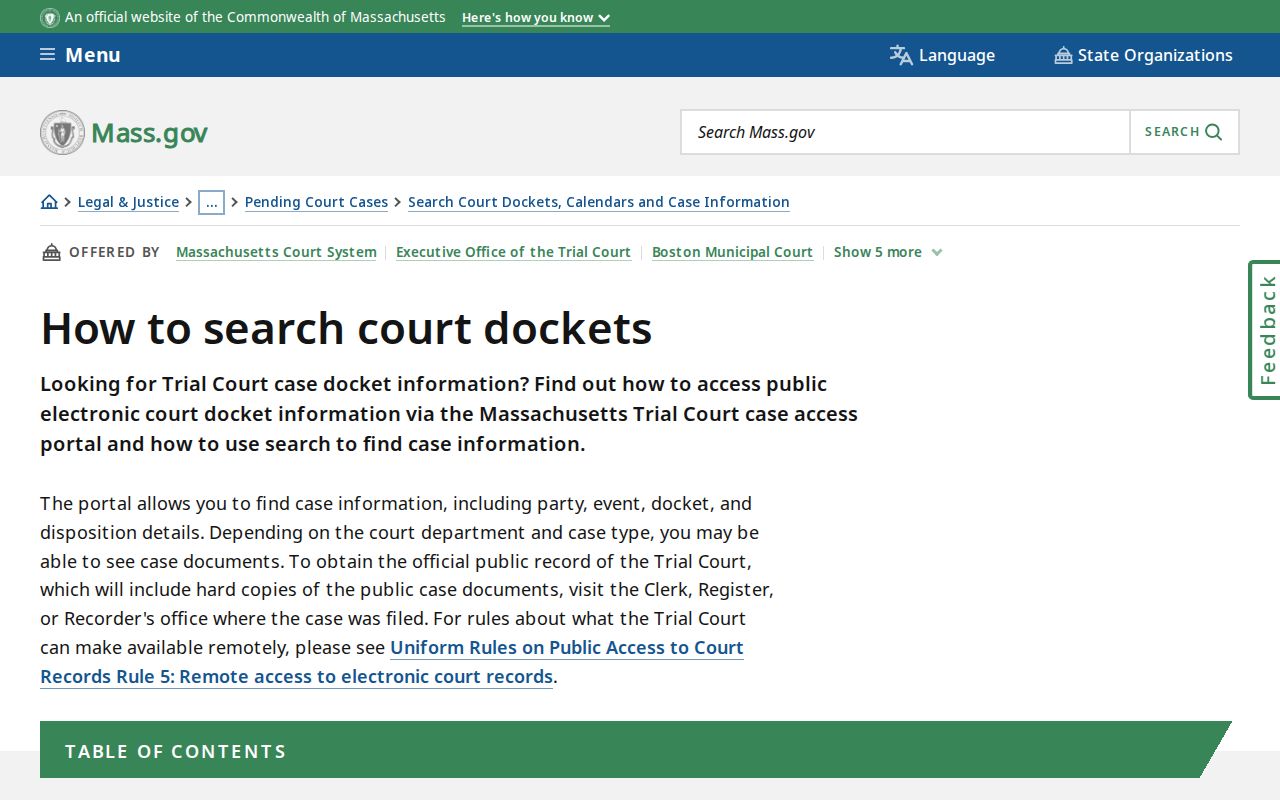
A docket provides a case trail, not a reliable current-address directory.
The state’s court-division listing for Acton supplies the jurisdiction starting point before a public docket search.
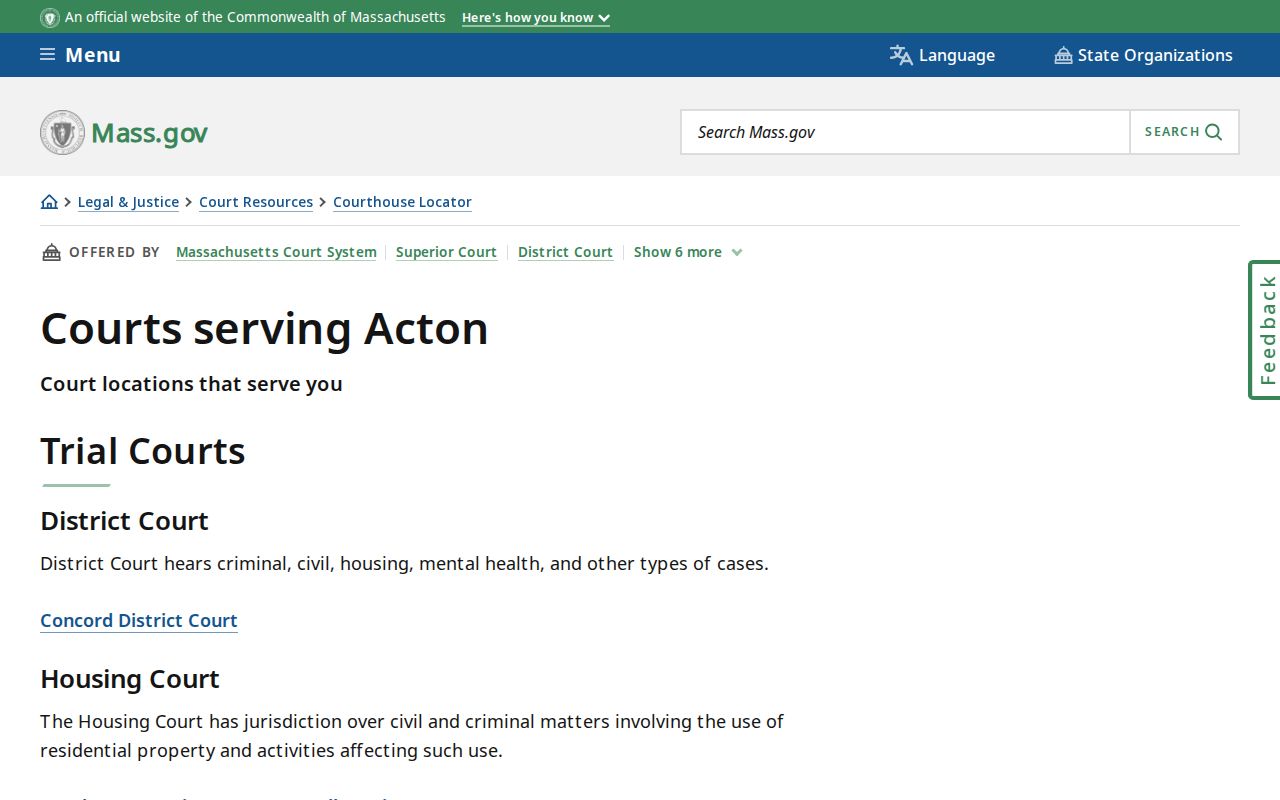
Choosing the department and division first avoids treating every Acton matter as a single local court record.
Historical Acton Directory Collections
The State Library inventory identifies Acton directory years for 1883–1884, 1902, 1913, 1926, 1936, 1941, 1947, and 1950. These volumes are dated clues. A printed entry can link a name and address at its publication time, sometimes with an occupation or household notation, but it cannot establish a modern location. The Acton city directory page keeps the volume years, reading method, and library channels in one historical workflow.
Acton Memorial Library adds annual reports, assessors’ lists, newspapers, yearbooks, genealogy material, and early town records. The library’s Early Town Records project spans 1735–1829 in a 1,226-page transcription with a name index; originals remain with the Town Clerk and microfilm is available through the library. Check important entries against the image or original.
The collection route is part of the citation. The library’s genealogy material is non-circulating and kept in a secure area, with sign-in at the Reference Desk. On-site subscriptions and remote options do not have the same access rules as an open archive. Record the collection name, volume or database, page or image, and date accessed so another researcher understands the source behind an Acton historical entry.
Acton Records Since 1735
Acton was incorporated in 1735, the same year its early-records project begins. That long run is valuable because it preserves a chronology rather than a single list. Early town books, nineteenth-century reports, selected twentieth-century directories and voting lists, newspapers, and current portals all cover different periods. Choose a source by the date in question instead of treating the newest interface as a complete archive.
The Early Acton Town Records collection provides the town’s transcription and index route.
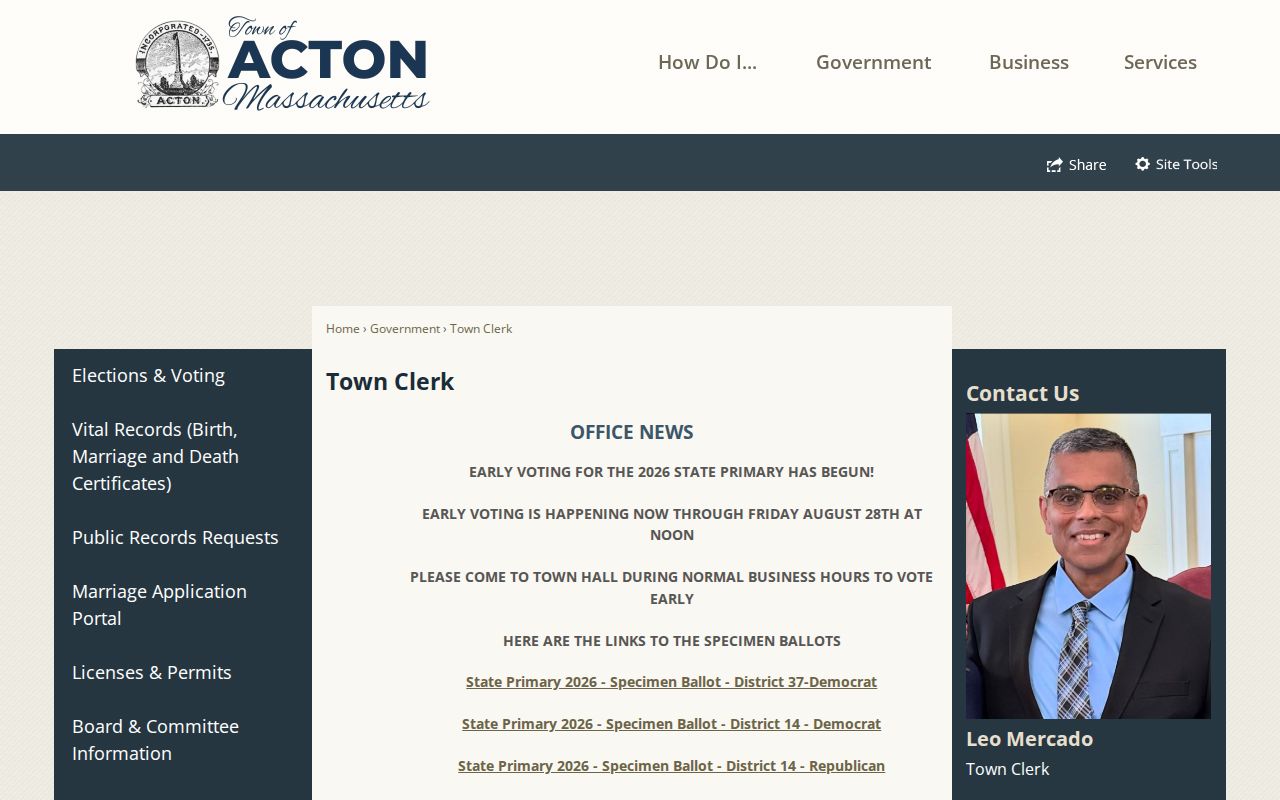
The Town Clerk is the original custodian for several historical municipal record series, while the library supplies a research-access path.
Acton License Search Labels
A Massachusetts license search can confirm a regulatory affiliation, not a private residence. The state’s eLIPSE search offers Individual and Business tabs with first, middle, and last name, city, state, ZIP, board, license type, and license number fields. Use the board and license type to separate people with similar names. Preserve whether an address is marked as a business, mailing, or practice field.
The Massachusetts eLIPSE license search displays the public search form and its separate tabs.
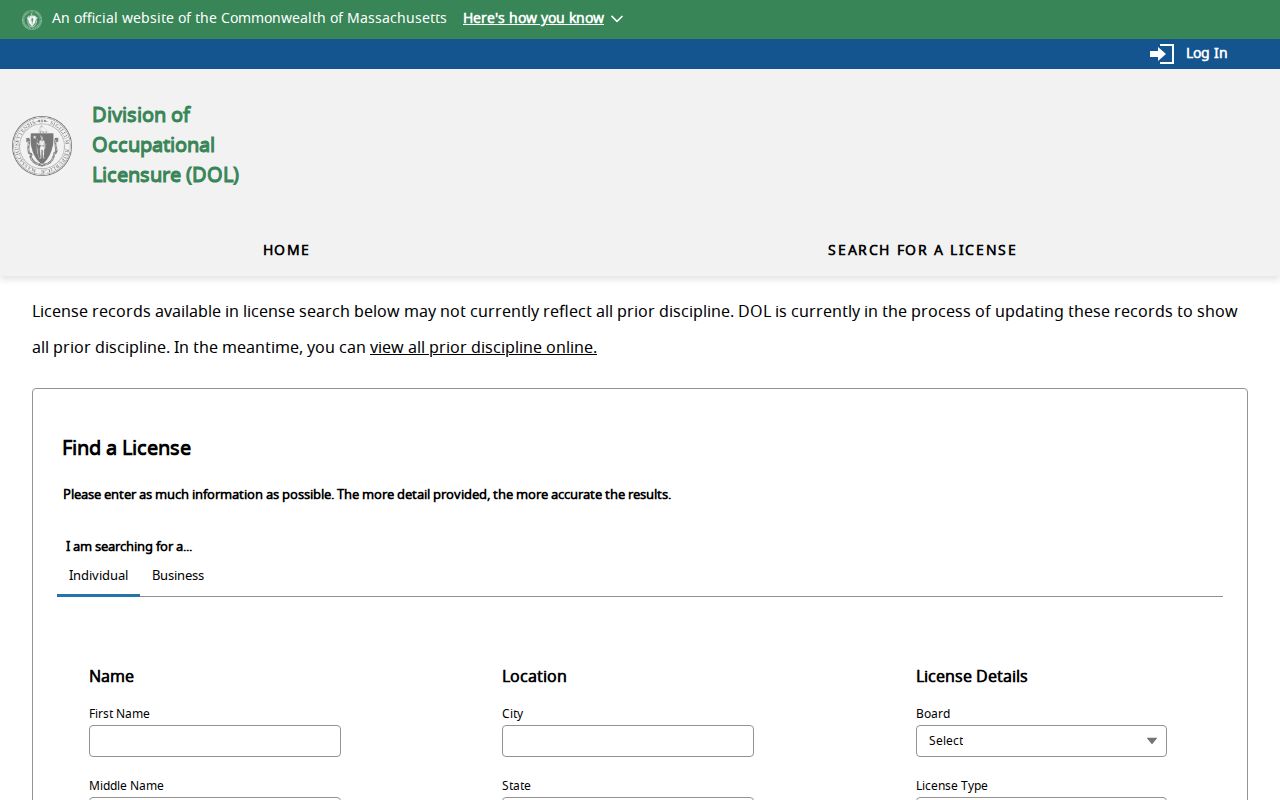
Matching a board, license type, and result date is safer than relying on a name alone.
Acton Record Privacy Limits
Official availability has boundaries. Massachusetts protects Address Confidentiality Program participants, confidential voters, sealed and impounded court matters, protected vital-record information, and some police data. The public-records route under M.G.L. c.66 §10 can supply existing records, subject to exemptions, redactions, permitted fees, and the general ten-business-day response framework. A request should name the address, record type, date range, and department rather than seek an open-ended report on a person.
The state’s Sex Offender Registry Board information route is also purpose-limited. It is not a general resident index, and public disclosure rules vary by level and record.
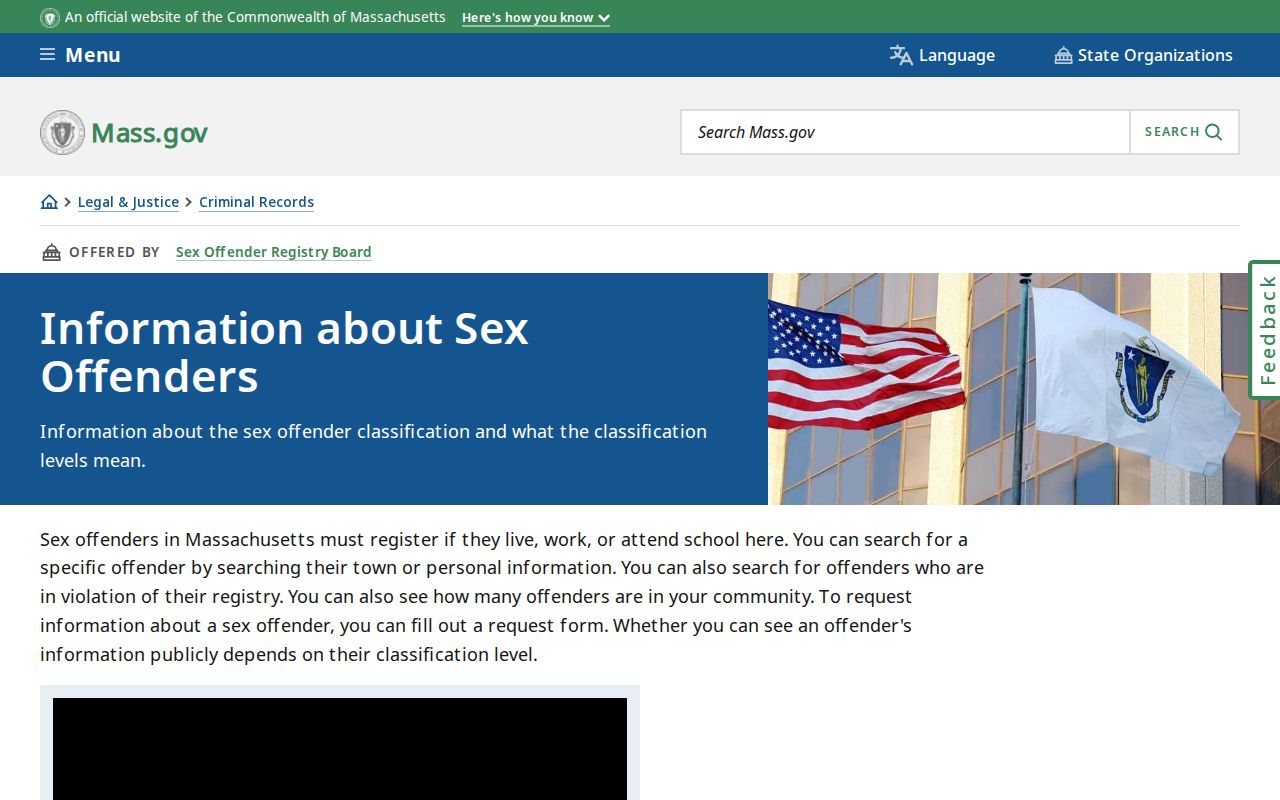
High-sensitivity records should remain with the agency process and its current disclosure rules.
Acton Registry Copy Warning
The Middlesex South Registry warned in February 2025 about deed-copy solicitations that charged $118 even though official Registry copies can be viewed, printed, or downloaded free online. Start from the Registry’s official domain and use its current certified-copy guidance only when a certified document is actually needed. This is an important distinction for heirs, family-history work, and property research.
The Registry also announced on October 21, 2025 that grantor indices from 1896 through 1973 became available online without charge. That change expands the historic deed route, but it does not erase unindexed-book or legal-description gaps. State the searched index range and date instead of treating a no-result as proof that no instrument exists.
Acton Name Claim Safety
Massachusetts offers an official name-and-address search for unclaimed property, followed by a Start Claim route. A match is only a claim lead. It can carry an old, partial, or business-related address, and it does not establish an Acton connection. Use the official state service rather than an unsolicited link, and keep sensitive claim documents with the state process.
The Massachusetts unclaimed-property search is the official route for checking and starting a claim.
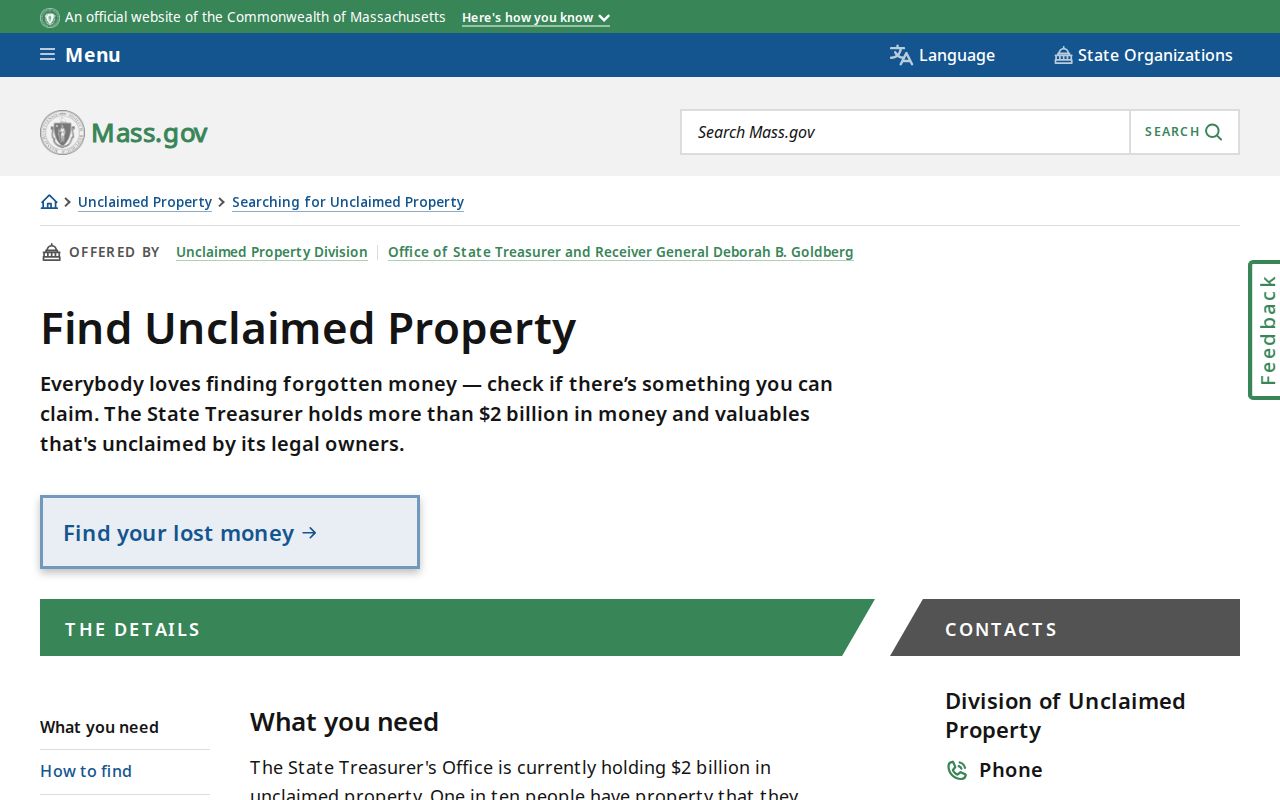
The state service provides a safe, bounded next step without turning an old address into a current-residence claim.
Acton records should be checked again when the source is time-sensitive. MapGeo updates assessment data quarterly, permit history is moving between systems, and the Registry’s older grantor access recently expanded. Keep the Acton source URL, record date, and access date with each conclusion. That discipline is more useful than combining stale results into a single resident claim.